Cybersecurity
The first 24 hours of a cyber incident: what to do, and what not to
Decisions made in the first hours of an incident decide how much is lost, how long recovery takes and whether you can later explain what happened.
Company profile
Four practices, twelve commodity desks and every service line in one document. Read it online or download the PDF.
A supplier's email asks you to send the next payment to a new account. The message is genuine-looking, the timing is right, and the money is gone within hours.
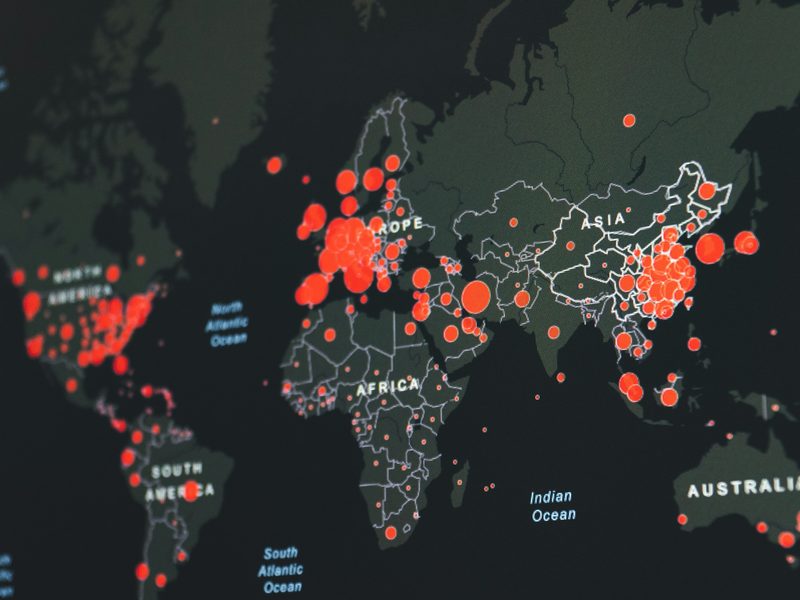
Business email compromise is one of the most costly forms of cybercrime, and trading companies are attractive targets. Payments are large, counterparties are in several countries, and changes to bank details are a normal part of business. Attackers do not need advanced tools, only patience.
Call your bank immediately and ask for a recall; the first hours matter most. Report to the police, preserve the emails with their full headers, and check the mailboxes involved for forwarding rules and other signs of access. Tell the counterparty, since their systems may be the source.
Our threat intelligence and governance teams help trading and financial companies put these controls in place, monitor for lookalike domains, and investigate when a payment has already gone.

Cybersecurity
Decisions made in the first hours of an incident decide how much is lost, how long recovery takes and whether you can later explain what happened.
Cybersecurity
An external test shows what the internet can reach. An internal test shows what happens after the first laptop is compromised, which is where most serious incidents are decided.
Cybersecurity
Every MDR proposal promises 24/7 monitoring. The differences that matter are in what is monitored, who is watching and what they are allowed to do at 3 a.m.
Tell us the product or service, the quantity or scope, and your timeline. We reply within one business day.