Cybersecurity
The first 24 hours of a cyber incident: what to do, and what not to
Decisions made in the first hours of an incident decide how much is lost, how long recovery takes and whether you can later explain what happened.
Company profile
Four practices, twelve commodity desks and every service line in one document. Read it online or download the PDF.
You cannot protect a controller you do not know exists. In most industrial sites, the first useful project is an accurate inventory, collected without disturbing operations.
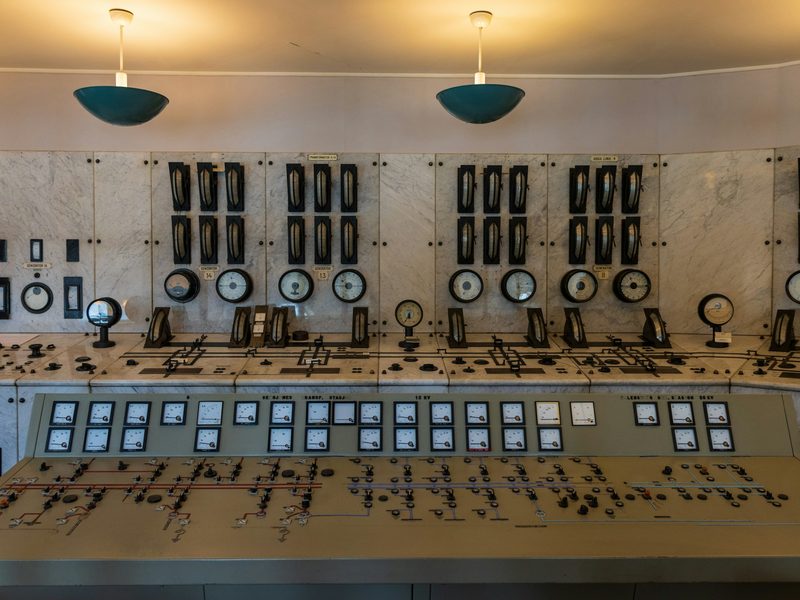
Operational technology, the controllers, sensors and control systems that run cranes, pumps, kilns and pipelines, was designed to be reliable, not secure. Many of these systems now connect to corporate networks, vendors' support links and cloud dashboards. Attacks on industrial sites around the world have shown what that connection can cost.
Industrial networks often hold equipment installed over decades by different contractors. Drawings are out of date, and some devices are known only to the engineer who installed them. Before you can segment, patch or monitor, you need to know which devices exist, what firmware they run and what they talk to.
Active scanning tools built for office networks can disrupt older controllers. Passive monitoring, which listens to a copy of network traffic, can identify devices, protocols and communication paths without sending anything to the equipment. Combine it with site walk-downs and the engineering team's knowledge.
The IEC 62443 series of standards describes grouping assets into zones with similar security needs and controlling the conduits between them. In practice, that often follows the levels of the Purdue model: field devices, control, supervisory systems, site operations, and the corporate network, with a demilitarised zone between operations and IT so that no traffic passes straight through.
Vendor remote access is one of the most common ways into industrial networks. Replace always-on connections with a single controlled gateway that requires multi-factor authentication, is opened only when needed and records each session.
Keep offline backups of controller programs and configurations, and test that they can be restored. Agree with operations who can decide to isolate a network during an incident, because in a plant, safety and production come first.
Security testing in OT should be planned with the engineers, run against test systems or during maintenance windows where possible, and avoid anything that could change a process.
Our team works with port operators, utilities and manufacturers on OT asset discovery, segmentation, remote access and monitoring, with engineers who understand both control systems and security.
Cybersecurity
Decisions made in the first hours of an incident decide how much is lost, how long recovery takes and whether you can later explain what happened.
Cybersecurity
An external test shows what the internet can reach. An internal test shows what happens after the first laptop is compromised, which is where most serious incidents are decided.
Cybersecurity
Every MDR proposal promises 24/7 monitoring. The differences that matter are in what is monitored, who is watching and what they are allowed to do at 3 a.m.
Tell us the product or service, the quantity or scope, and your timeline. We reply within one business day.