Commodity Trading
Reading a rebar mill test certificate before you pay
The mill test certificate is the only document that tells you what is inside a bundle of steel. Here is what to check, line by line, before the documents go to the bank.
Company profile
Four practices, twelve commodity desks and every service line in one document. Read it online or download the PDF.
Clinker is cement before the last step. For markets with grinding capacity, importing it instead of finished cement can lower costs and keep value at home.
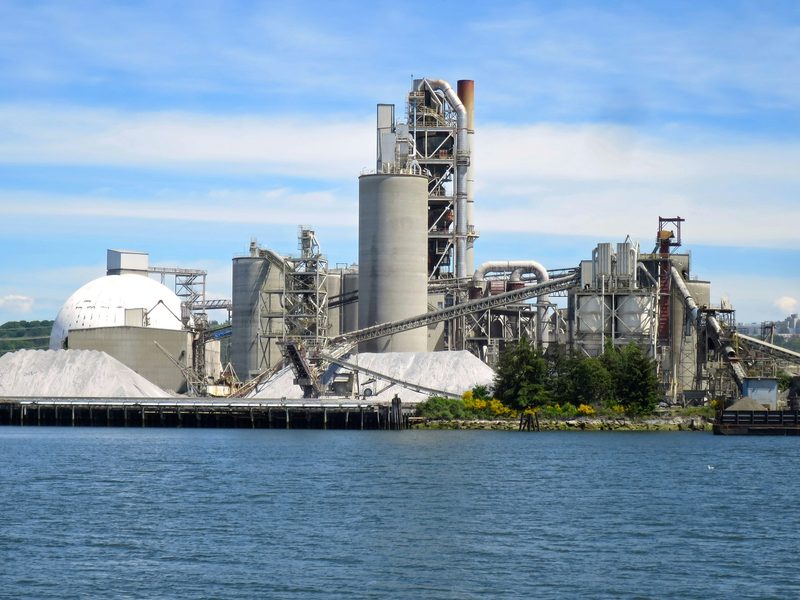
Ordinary Portland cement is about 95 per cent clinker and 5 per cent gypsum, ground together into a fine powder. Clinker is the hard, grey nodule that comes out of the kiln. Whether a market imports one or the other depends less on the product than on what the buyer can do with it after it lands.
Clinker is robust. It ships in bulk on ordinary geared bulk carriers, loads and discharges with grabs, and can be stored in a covered yard. Cement, by contrast, is a fine powder that reacts with moisture. In bulk it needs dedicated cement carriers and silos; in bags it needs careful handling and dry storage. For the same cementitious tonnage, clinker is usually cheaper to move.
Clinker is only useful to a buyer with a grinding unit: a mill, gypsum and a laboratory. Where there is no grinding capacity, or local plants are down for maintenance, finished cement is the only way to keep construction going. Bagged cement also reaches inland markets without any processing at the port.
Ask for these on the certificate of analysis and have the inspection company draw samples during loading. Clinker that has been stored uncovered for months can lose strength, so the date of production matters as much as the analysis.
A grinding unit can mix imported clinker with local gypsum, limestone or slag to make blended cements for different jobs. That keeps jobs and margin in the destination market and lets the producer adjust the product to local standards. For that reason many Gulf and East African buyers prefer a steady clinker programme, topped up with cement cargoes when demand peaks.
Our clinker and cement desks supply both, and can pair clinker cargoes with gypsum and limestone from our industrial minerals desk.
Commodity Trading
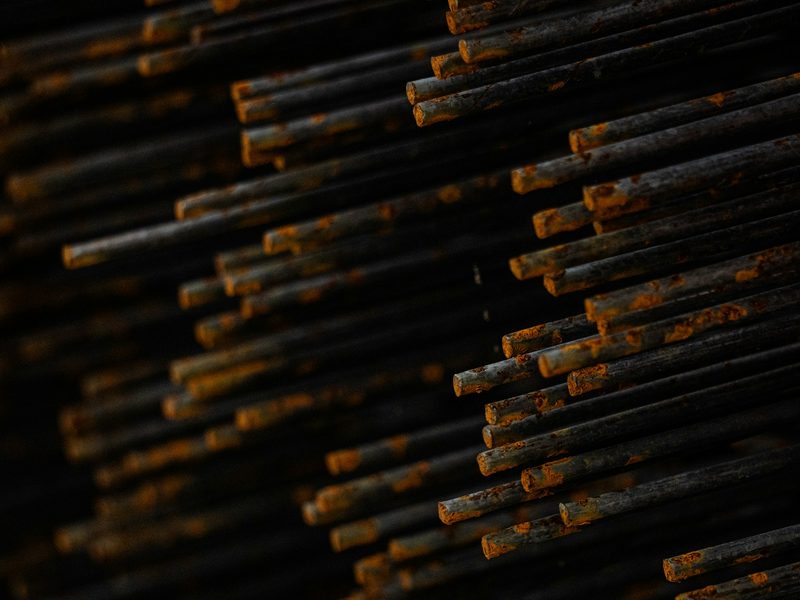
The mill test certificate is the only document that tells you what is inside a bundle of steel. Here is what to check, line by line, before the documents go to the bank.
Commodity Trading
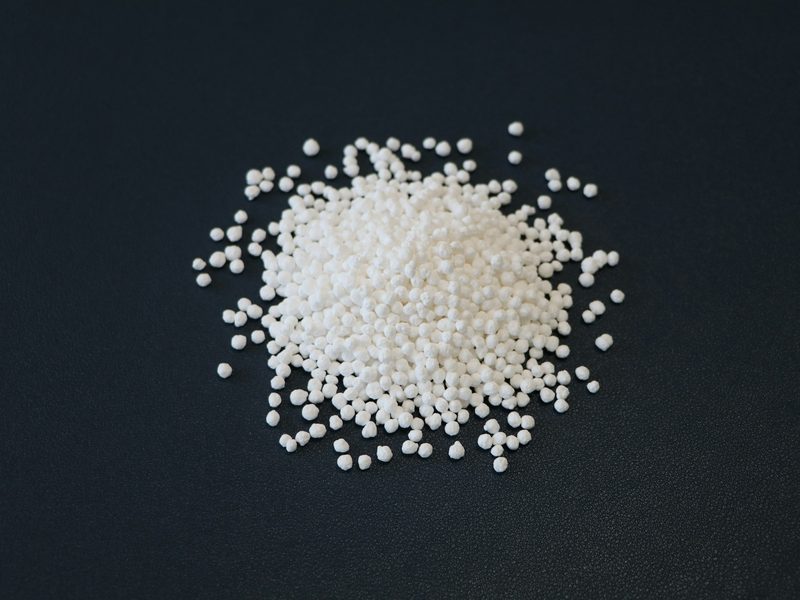
The choice between bulk urea and bags filled at origin decides your freight cost, your discharge time and how quickly fertilizer reaches farmers before planting.

Commodity Trading
Most refused presentations under a letter of credit come down to a handful of avoidable mistakes. Knowing the rules in UCP 600 is the cheapest insurance a trader can buy.
Tell us the product or service, the quantity or scope, and your timeline. We reply within one business day.