Commodity Trading
Bagged or bulk: how to ship urea to East Africa
The choice between bulk urea and bags filled at origin decides your freight cost, your discharge time and how quickly fertilizer reaches farmers before planting.
Company profile
Four practices, twelve commodity desks and every service line in one document. Read it online or download the PDF.
The mill test certificate is the only document that tells you what is inside a bundle of steel. Here is what to check, line by line, before the documents go to the bank.
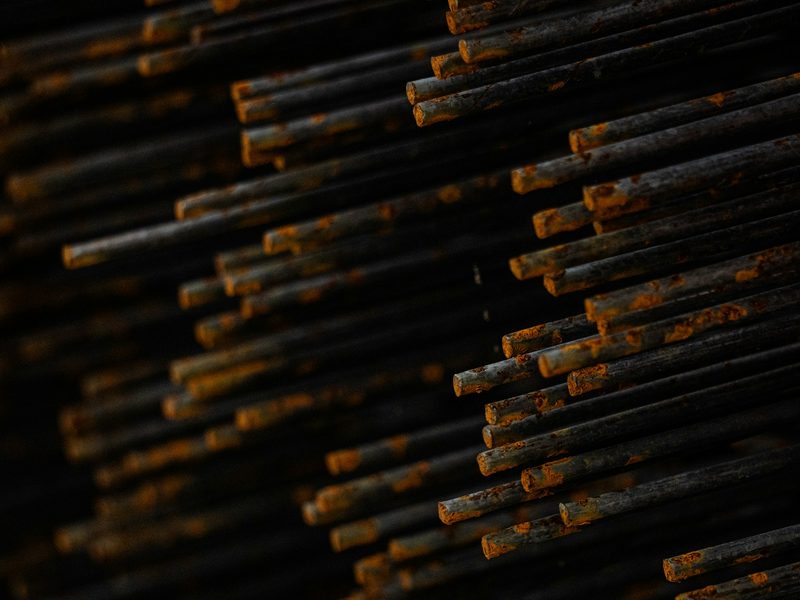
A cargo of reinforcing bar arrives with a stack of paper, and most of it is about the ship. One document is about the steel itself: the mill test certificate, issued by the mill for each heat of steel it rolled. If it is wrong, incomplete or does not match the tags on the bundles, nothing else in the document set will protect you.
Every bundle carries a tag with a heat number, the identifier of the batch of molten steel it came from. The certificate should list the same heat numbers, with the tonnage rolled from each. Before anything else, reconcile the two: tags photographed at loading against the certificate, and the certificate against the packing list. A heat number on a tag that does not appear on any certificate is a bundle with no test record.
The chemical analysis shows carbon, manganese, silicon, sulphur, phosphorus and the residual elements. For weldable grades, the number that matters most is the carbon equivalent value. Under BS 4449 the limit for the cast analysis is around 0.50 per cent; a higher figure means the bars are harder to weld on site and may crack. Sulphur and phosphorus should sit comfortably under their limits, not on them.
For B500B bar to BS 4449, check that:
ASTM A615 Grade 60 uses different limits, including a minimum yield of 420 MPa and a minimum tensile strength of 620 MPa. Make sure the certificate tests against the standard in your contract, not the one the mill happens to use at home.
Missing heats, figures exactly on a limit across every heat, or a certificate issued before the steel was rolled are reasons to pause. Ask for a re-test of samples cut from the cargo by the inspection company at the load port. It costs days, not weeks, and it is far cheaper than rejecting steel on a construction site.
On our steel desk, certificates are checked against tags and the contract standard before the cargo leaves the load port, and the inspection report goes into the document set with them.
Commodity Trading
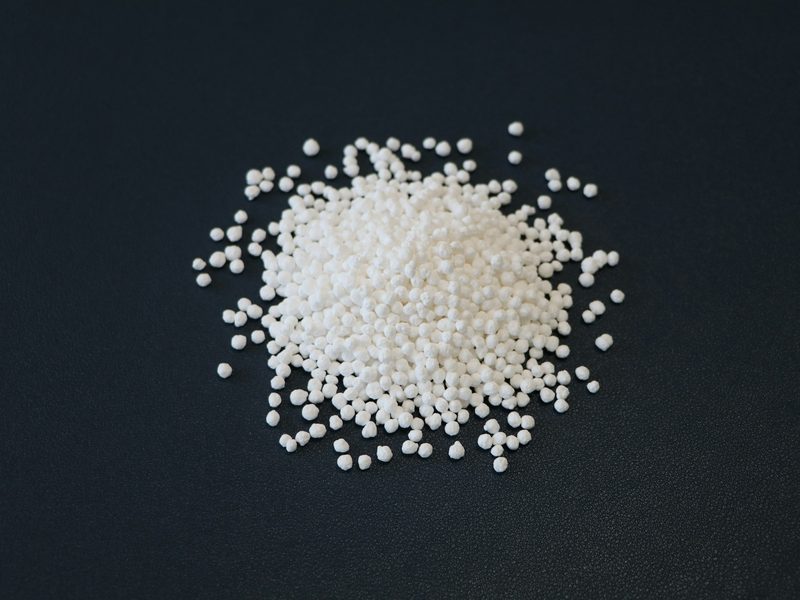
The choice between bulk urea and bags filled at origin decides your freight cost, your discharge time and how quickly fertilizer reaches farmers before planting.

Commodity Trading
Most refused presentations under a letter of credit come down to a handful of avoidable mistakes. Knowing the rules in UCP 600 is the cheapest insurance a trader can buy.

Commodity Trading
Clinker is cement before the last step. For markets with grinding capacity, importing it instead of finished cement can lower costs and keep value at home.
Tell us the product or service, the quantity or scope, and your timeline. We reply within one business day.