Commodity Trading
Reading a rebar mill test certificate before you pay
The mill test certificate is the only document that tells you what is inside a bundle of steel. Here is what to check, line by line, before the documents go to the bank.
Company profile
Four practices, twelve commodity desks and every service line in one document. Read it online or download the PDF.
The choice between bulk urea and bags filled at origin decides your freight cost, your discharge time and how quickly fertilizer reaches farmers before planting.
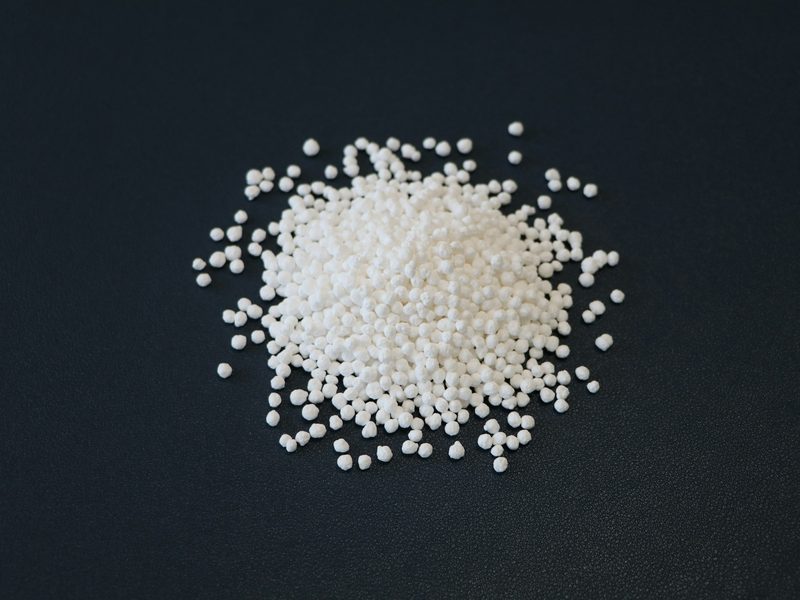
Urea is one of the most traded fertilizers in the world, and for East African buyers the planting calendar sets the deadline. Whether the cargo travels loose in the hold or in bags filled at the plant changes almost every number in the deal.
Most seaborne urea today is granular: harder, larger granules of about 2 to 4 mm with less dust, which suit both bulk handling and blending. Prilled urea is smaller and more fragile. A typical specification asks for 46 per cent nitrogen, biuret no higher than 1 per cent and moisture no higher than 0.5 per cent. Agree the specification and the inspection method before price; arguments about biuret after discharge rarely end well.
Bulk cargoes of 25,000 to 50,000 tonnes give the lowest freight per tonne. The fertilizer is then bagged at the discharge port, usually with mobile bagging units on the quay or in a nearby warehouse. That works well where the port has covered storage and reliable bagging capacity. It works less well when rain stops discharge, because urea absorbs moisture and cakes, and every wet day adds demurrage.
Urea filled into 50 kg bags or one-tonne jumbo bags at the plant costs more to load and to ship, and the vessel carries less. In return, the bags can be loaded straight onto trucks, discharge is less exposed to weather, and smaller ports without bagging lines become usable. For government tenders that distribute directly to districts, bags with the buyer's printing are often required anyway.
Whichever you choose, write the moisture limit, the bag specification and the discharge rate into the contract, and make sure the inspection certificate covers quality at loading and the bag count or draft survey that supports your quantity.
Commodity Trading
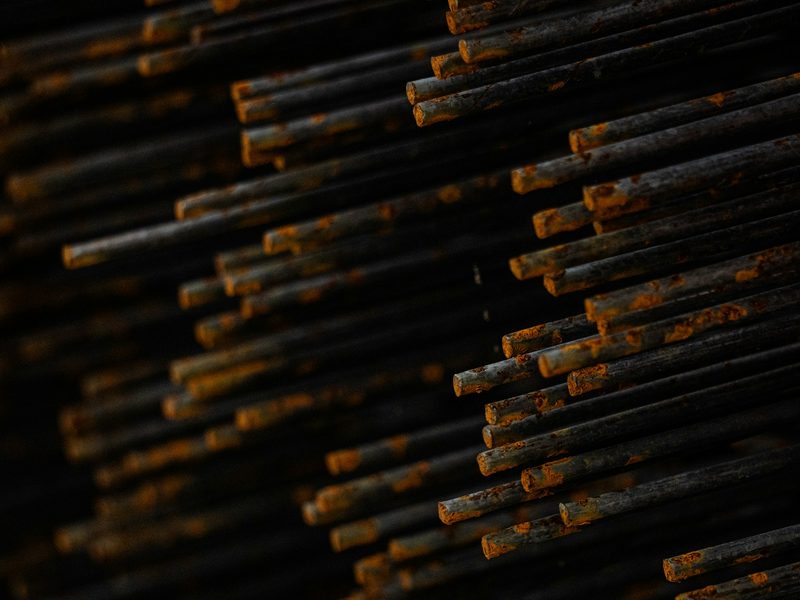
The mill test certificate is the only document that tells you what is inside a bundle of steel. Here is what to check, line by line, before the documents go to the bank.
Commodity Trading
Most refused presentations under a letter of credit come down to a handful of avoidable mistakes. Knowing the rules in UCP 600 is the cheapest insurance a trader can buy.

Commodity Trading
Clinker is cement before the last step. For markets with grinding capacity, importing it instead of finished cement can lower costs and keep value at home.
Tell us the product or service, the quantity or scope, and your timeline. We reply within one business day.